About Hyperlink
Hyperlink: key element of the energy transition
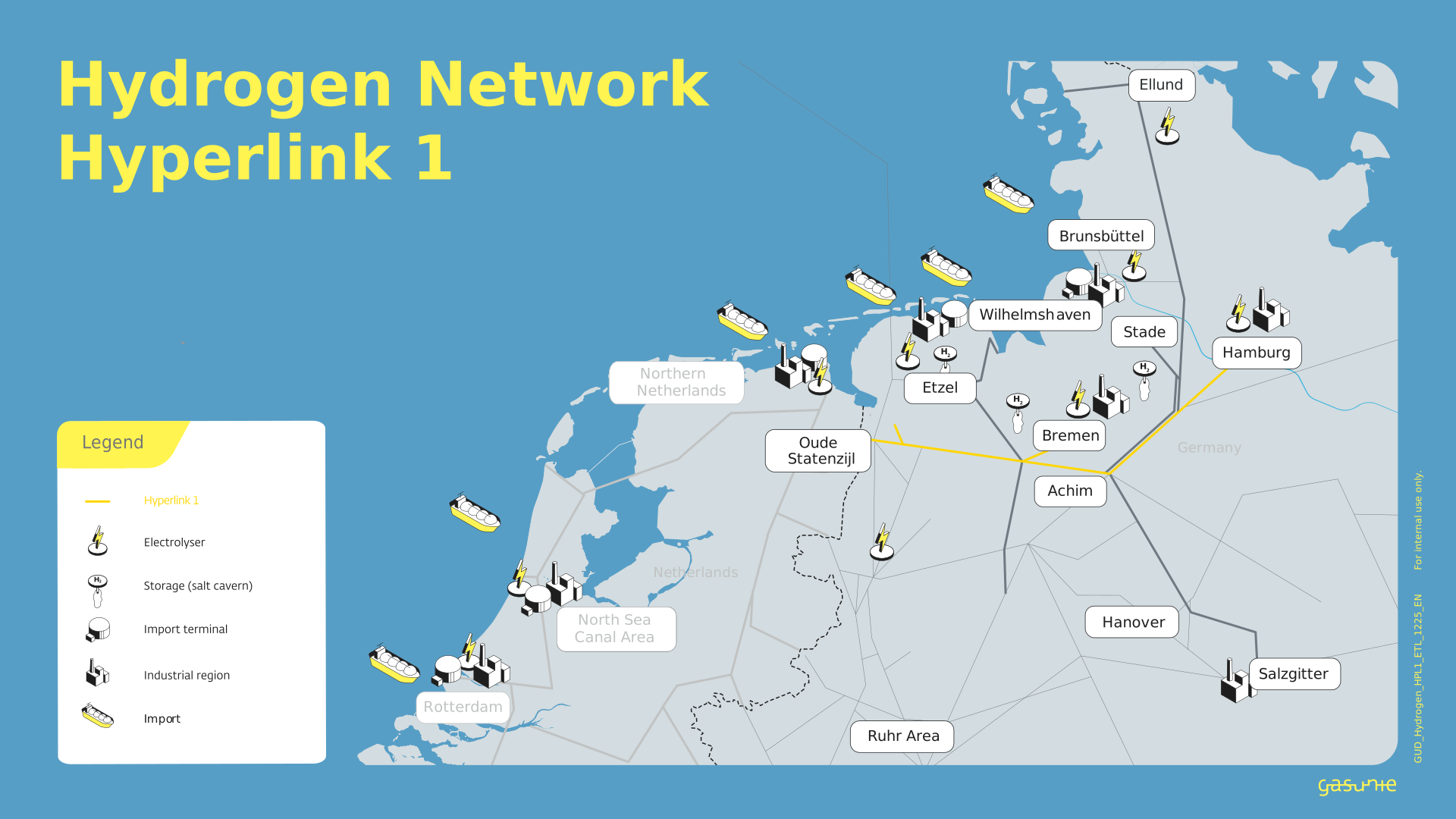
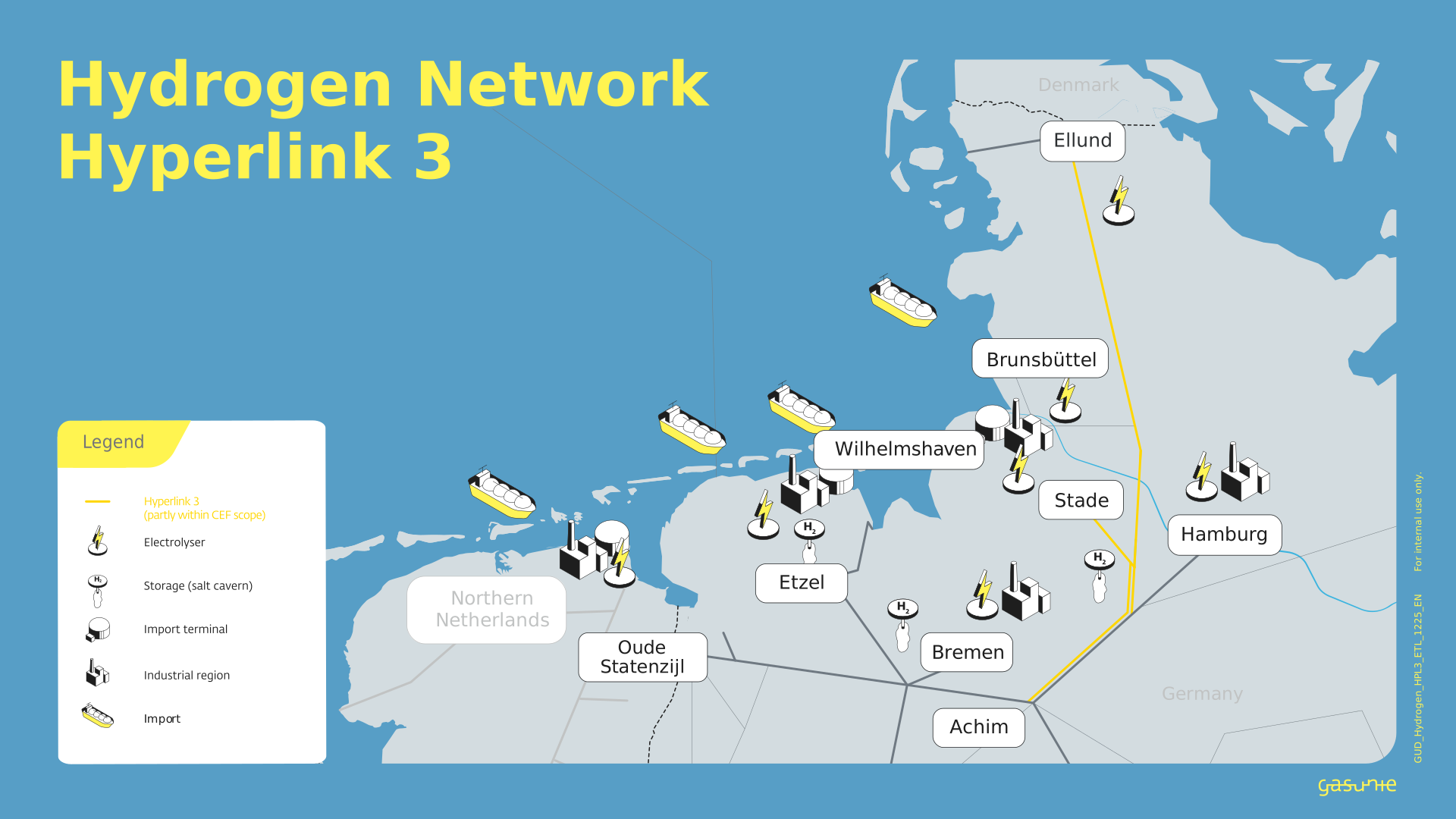
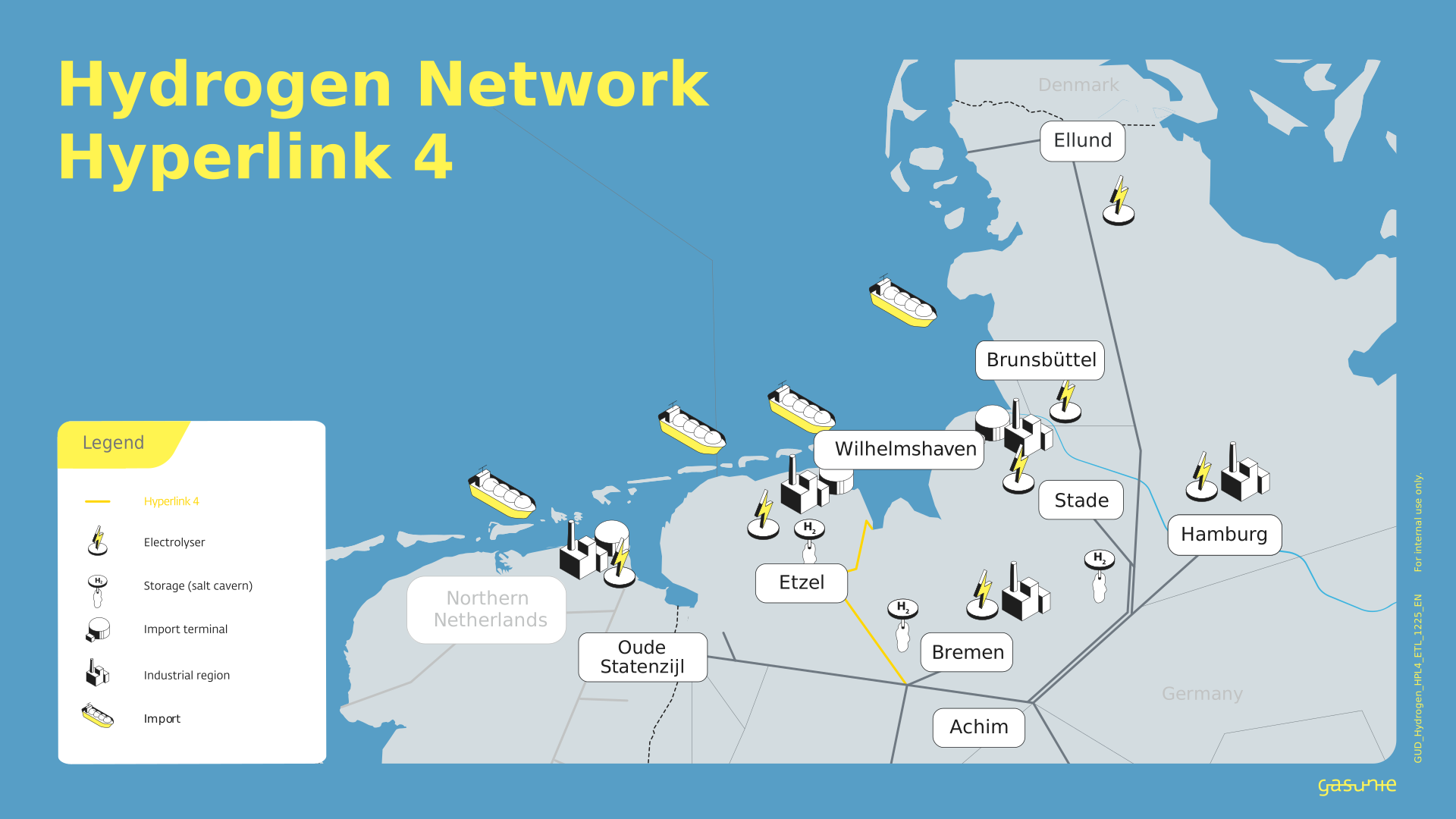
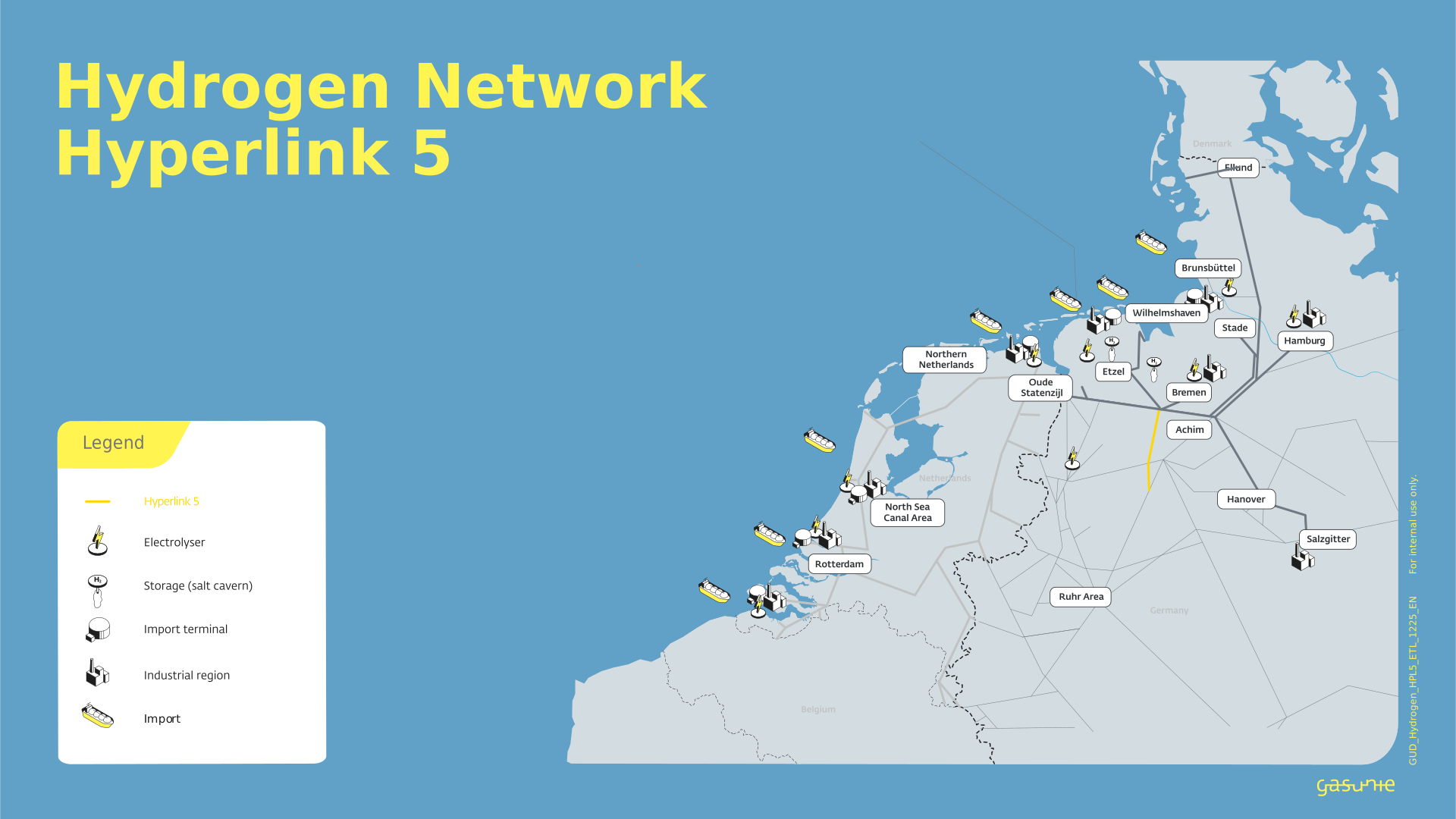
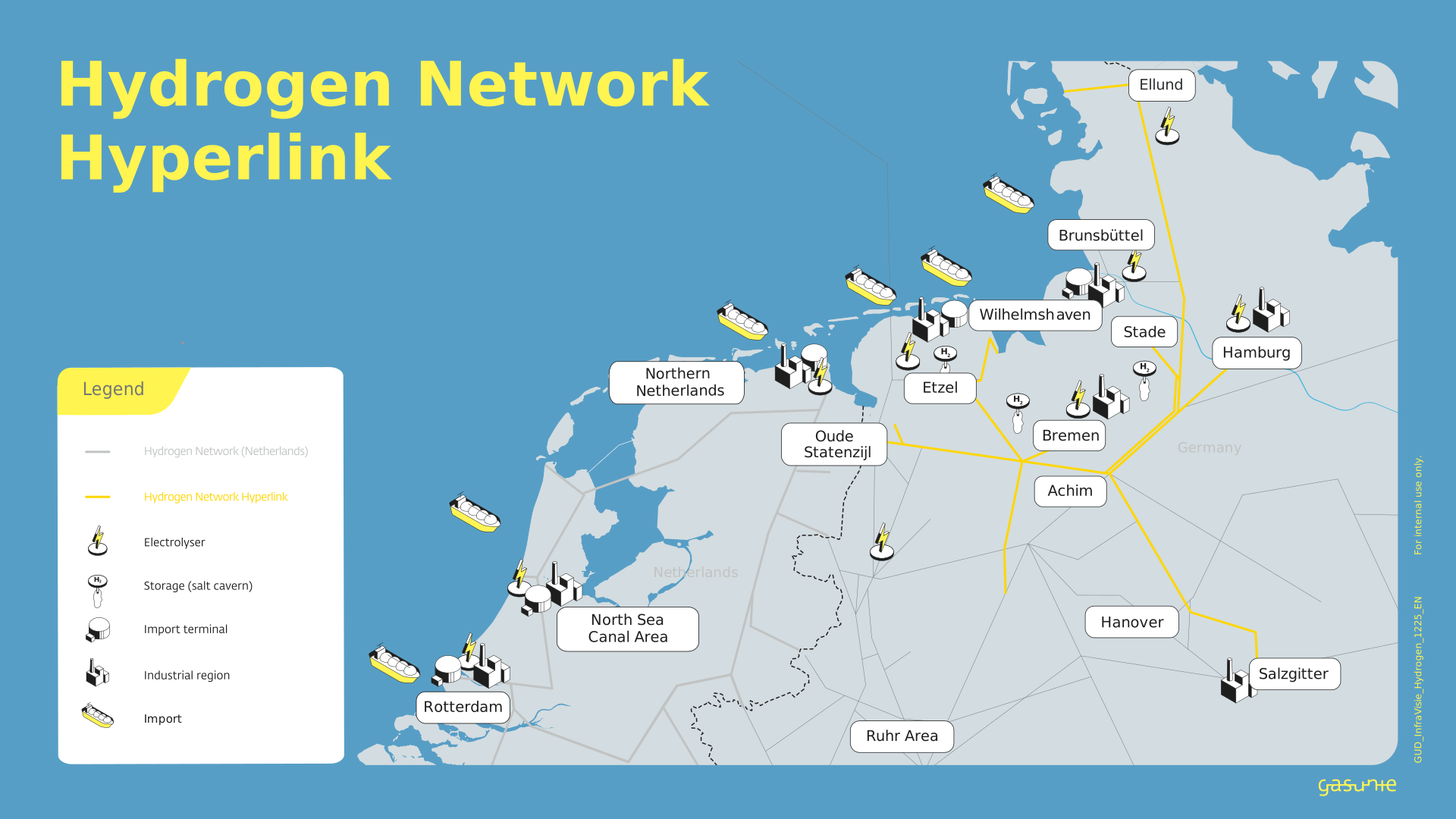
Hyperlink is a central component in the hydrogen core network, the basic structure for the development of a hydrogen infrastructure in Germany. Gasunie’s Hyperlink network will link up producers and consumers in the north and west regions of Germany, this way helping to meet the growing demand for zero-carbon hydrogen. Furthermore, many major industrial regions in Germany will be connected to hydrogen storage facilities and import sites in Denmark and the Netherlands.
We intend to have the 1,000km-long Hyperlink hydrogen network completed and in operation by 2032 – and the work is already underway. We will use a mix of existing and new transmission infrastructure. Around 70% of the envisioned network will consist of converted natural gas pipelines, enabling us to minimise costs, cut construction times and reduce the impact on people and the environment.
The conversion work started in 2023, and by the end of 2024 nearly 150 kilometres of natural gas transmission pipelines will be ready to transport hydrogen.
Hydrogen network means teamwork: energy transition can only be achieved together
The Hyperlink network connects hydrogen producers and consumers across Europe. In the development of the project, we are working closely with industrial parties, network operators and local associations, as well as with the responsible authorities and government bodies, from municipal to national level. We are convinced of the Hyperlink project’s major contribution to the EU’s strategic energy and climate goals and its key technological role. Accordingly, we have applied to the EU Commission to have the project recognised as an IPCEI (Important Project of Common European Interest) and PCI (Project of Common Interest).
Step by step: the hydrogen infrastructure of the future
The Hyperlink hydrogen network project is made up of six sub-projects. The first part of the network will be completed in 2027, and all industrial customers and regional clusters should be connected by 2032. It will then be possible to import hydrogen or ‘land’ it on the continent from offshore and transport it via several cross-border pipeline connections with Germany’s neighbouring countries in the west and north. At the same time, regional hydrogen storage facilities will form a key part of the infrastructure.